


Jebel el Kest: A stunning day in the Moroccan Anti-Atlas
The ascent of Jebel el Kest in Morocco’s Anti-Atlas is a stunning day in remote mountains – one of the very best hill days. Cicerone’s Publisher, Jonathan Williams, explored the area with his son Joe in February 2015..
‘Anergui...’ Chris Bonington’s always-quiet tone dropped a notch as he repeated the name, his eyes seeming to glaze over as though he was remembering big mountains in great ranges. I was impressed. All I’d done was mention this particular approach to the little-known Jebel el Kest in Morocco’s Anti-Atlas. It must be quite a hill. There was clearly a lot to look forward to on our walking and scrambling trip. Over the last twenty years the Anti-Atlas has grown into a remarkable arena for climbers. Massive amounts of rock at good climbing grades, easy access, good prices and great people have all made this area a new home-from-home for a generation of climbers: Les Brown, Joe Brown, Chris Bonington, Claude Davies... all well-known names on the friendly streets of Tafraoute.
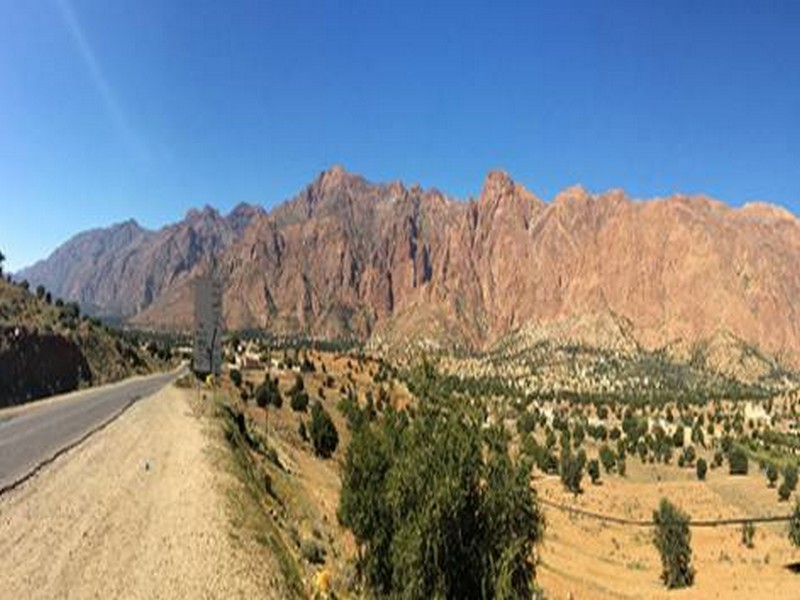
A town of 5000 people, Tafraoute is set off to the south of Jebel el Kest, giving it astonishing views to the quartzite range that glows bright pink in the evening light. It’s located in an area the maps refer to as ‘The Granite Area’, full of piles of strangely shaped boulders. There are several hotels and a few restaurants, plenty of shops, pharmacies, a weekly souk, and a small medical centre (with which we had dealings the next day – another story). The French influence is unmistakable; well taught in the schools it’s one of three languages – with Arabic and Berber – spoken throughout Morocco. Those involved in adventures and other trading all have excellent French and a surprising amount of English. And catering to climbers is only one of Tafraoute’s enterprises. It’s a stop-off for the many French who tour around Morocco and into the Sahara, often in sizeable motor homes. This has led it to its development as a major centre for carpet selling, and the two emporia that service this business have become masters of the art. It’s unlikely your resistance is even close to a match for their sales talents, so it’s best just to embrace it. Tafraoute is as a fine place as any to buy a carpet, rug or throw and it will make a valuable contribution to the local economy.
Located about 3 hours’ drive south east of the Atlantic resort of Agadir, a 4-hour flight from the UK, this remote area on the edge of the Sahara desert can be reached inside a day. The drive down is fascinating – remarkably little traffic but a whole new culture with shepherds and flocks crossing the road, towns and Berber villages large and small, roadside water stalls, women in niqab and hijab of all colours, minarets and wild mountain scenery, as well as the inevitable game of chicken as two vehicles pass on the road eroded by the perpetual sun and occasional rain down to a singe track. Winter temperatures are ideal for walking, but the main season is March to April and October into November. In mid-February we had cloudless days up to 20º and night-time temperatures of 8 to 10º – fine Cumbrian summer days.
Jebel el Kest itself is just the highest point in a long and complex ridge extending over 35km and accessible from both north and (more usually) south. There are a few paths – original Berber shepherd trails above the villages – but much of it is trackless. And everything up there is either sharp or spikey.
Pub in May 2015
Source web par cicerone-extra
Les articles en relation
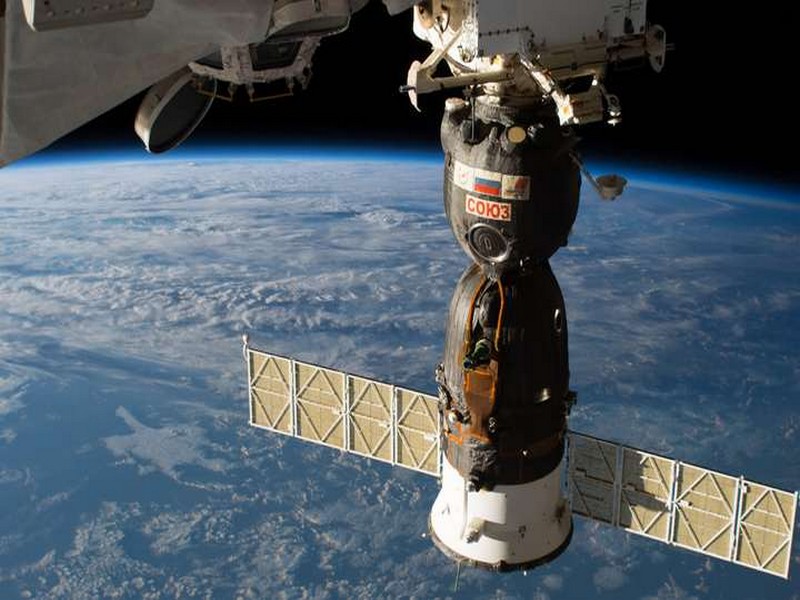
ISS : le Soyouz a bien été victime d’un acte de sabotage
ISS : le Soyouz a bien été victime d’un acte de sabotage Le trou dans la carlingue du véhicule Soyouz, actuellement amarré à la Station spatiale internationale, a bien ét&eacu
Savoir plus...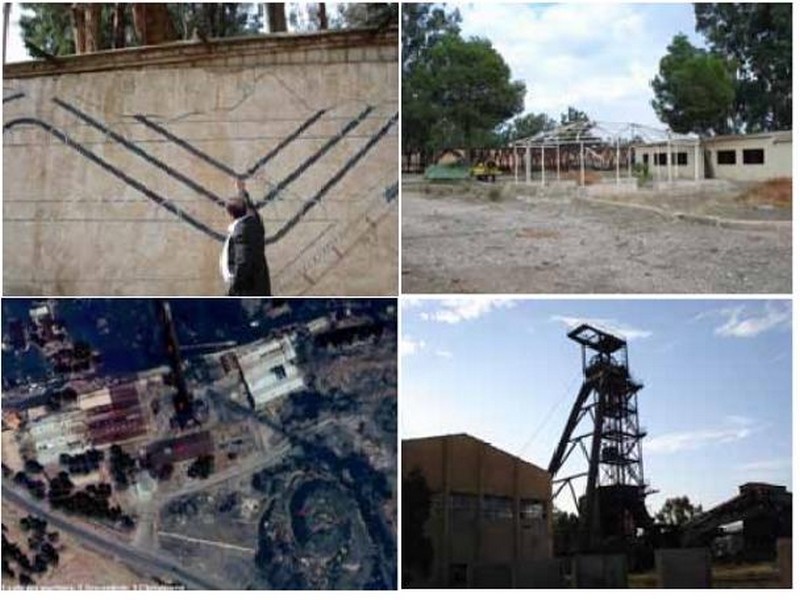
Un bref éclairage sur les friches industrielles pour Abdelmalek FIzAzI
Un bref éclairage sur les friches industrielles pour Abdelmalek FIzAzI Abdelmalek FIzAzI Archéologue, expert-consultant auprès de l’Agence de l’Oriental (Rabat) la reconversion de la friche ind
Savoir plus...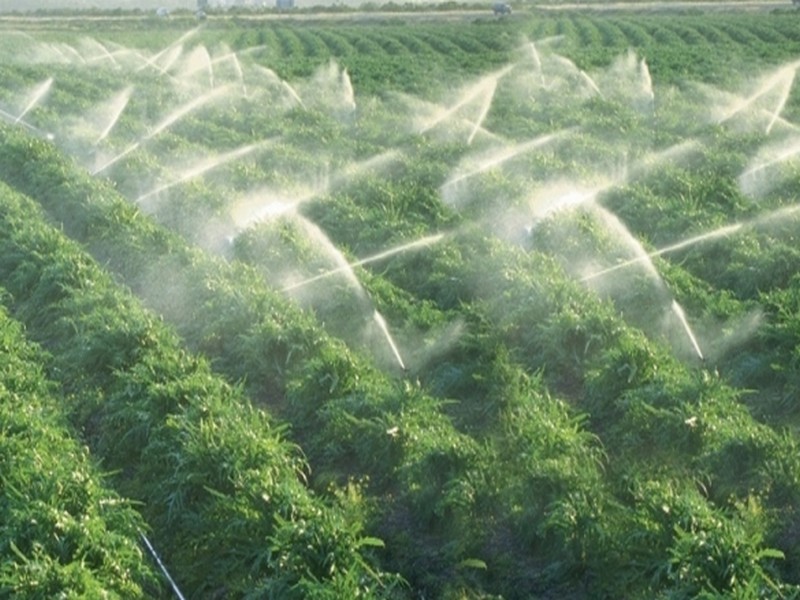
Pluviométrie: le Maroc se dirige-t-il vers une année agricole blanche?
Pluviométrie: le Maroc se dirige-t-il vers une année agricole blanche? Se dirige-t-on vers «une année agricole blanche»? Dans son édition de ce vendredi 24 novembre, L’Économiste
Savoir plus...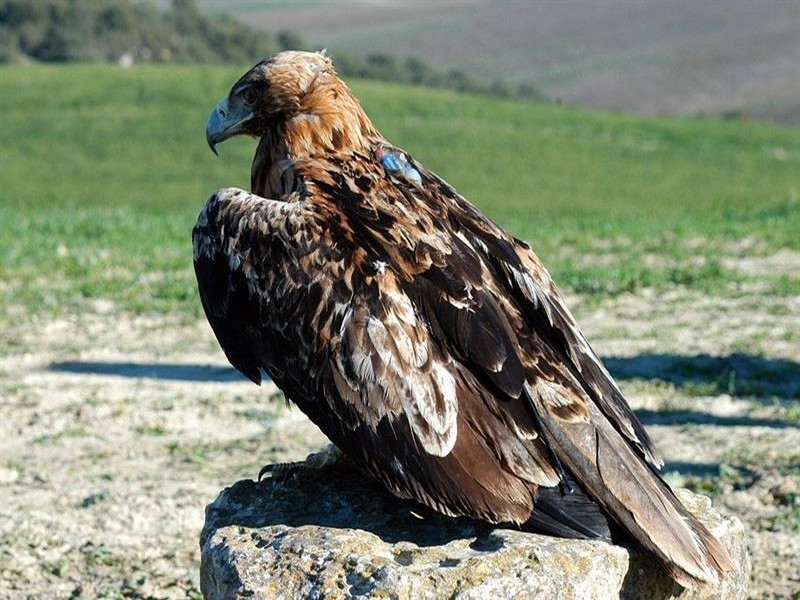
Liste et photos des oiseaux du Maroc
« Le Maroc est certainement l’un des pays les plus riche en oiseaux du domaine paléarctique occidental (Europe, Afrique du Nord et Moyen-Orient) » Jaques Franchimont (GOMAC) 480 espèces ré
Savoir plus...
L'Océan en danger face à l'exploitation et la pollution humaine
L'Océan en danger face à l'exploitation et la pollution humaine Dans cette vidéo, Isabelle Autissier, la présidente du WWF France répond à nos questions sur la biodiversité mar
Savoir plus...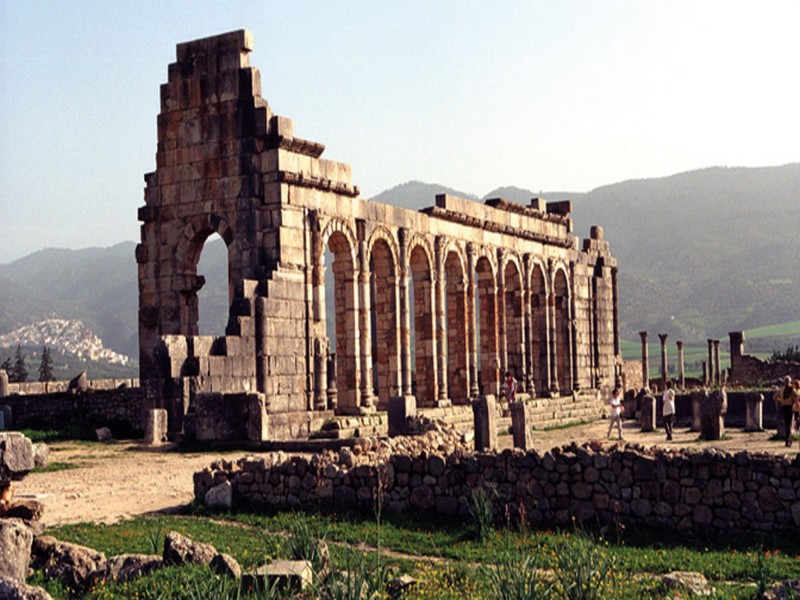
Patrimoine : Le Maroc en état d’alerte
Patrimoine : Le Maroc en état d’alerte Le royaume compte se doter d’un plan pour lutter contre le trafic illicite des biens culturels. Un programme dans ce sens vient d’être lancé en partenariat
Savoir plus...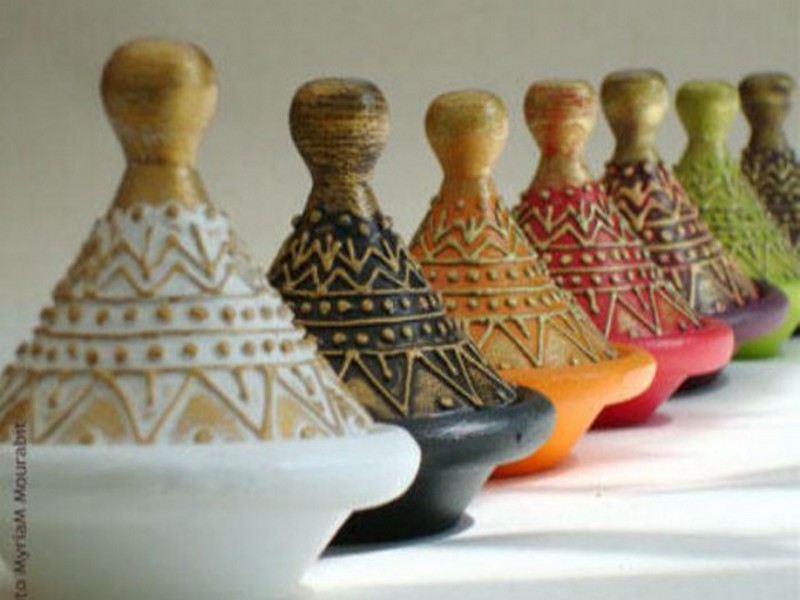
Convergence promotionnelle entre le tourisme et l’artisanat
Un projet de création et de promotion des circuits touristiques intégrant l’artisanat a été lancé à Fès et à Marrakech pour renforcer la complémentarité entre l
Savoir plus...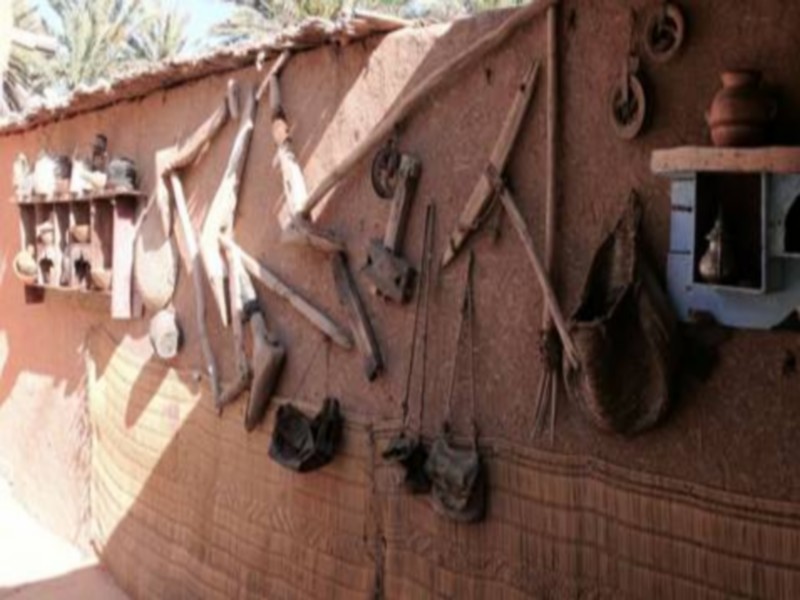
Milieux, techniques et cultures préhistoriques sur la façade sud de l’atlantique au Maroc: régions d’Essaouira et d’Agadir
Milieux, techniques et cultures préhistoriques sur la façade sud de l’atlantique au Maroc: régions d’Essaouira et d’Agadir 1. Intérêt scientifique : La préhistoire d
Savoir plus...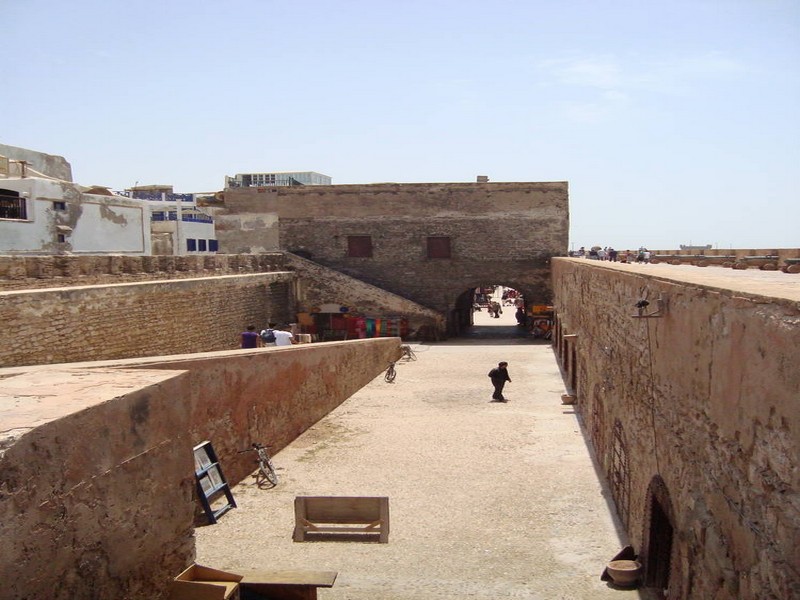
Médina d’Essaouira (ancienne Mogador)
Médina d’Essaouira (ancienne Mogador) Essaouira est un exemple exceptionnel de ville fortifiée de la fin du XVIIIe siècle, construite en Afrique du Nord selon les principes de l'architecture militaire e
Savoir plus...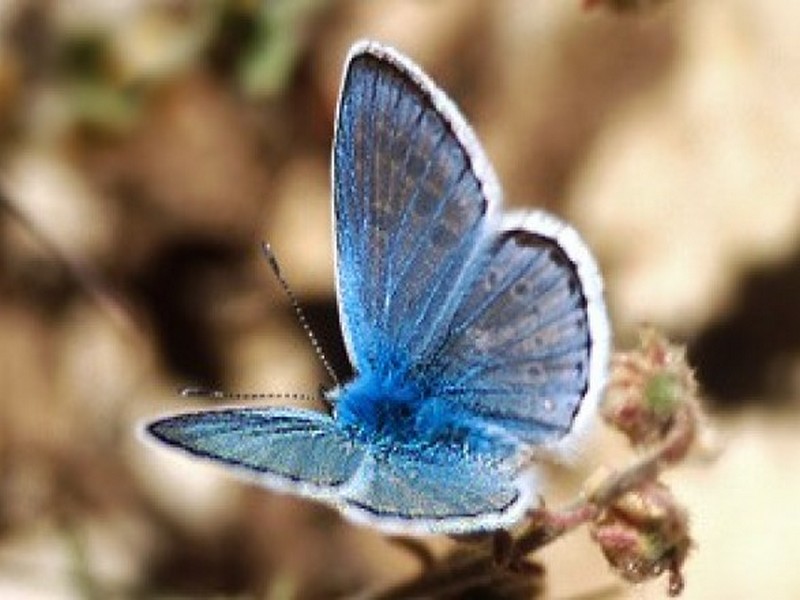
Le record de chromosomes détenu par un papillon maghrébin
Le record de chromosomes détenu par un papillon maghrébin Dans tout le règne animal, l’espèce qui comporte le plus grand nombre de chromosomes est un papillon du Maroc : l’azuré de l&rsq
Savoir plus...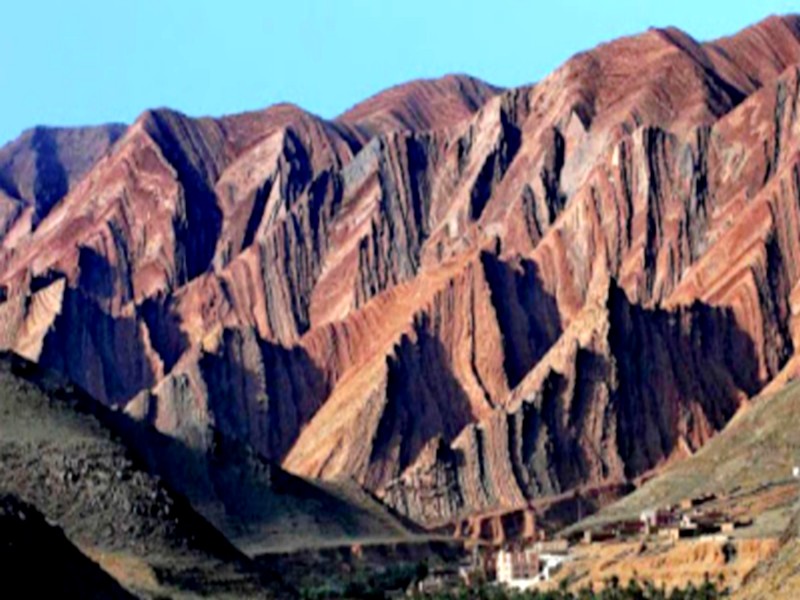
Tata - Anti Atlas - Couleurs de la Porte du Sud (Géoparc Jbel Bani)
Tata - Anti Atlas - Couleurs de la Porte du Sud (Géoparc Jbel Bani) Que l'on s'y rende à partir de Marrakech, Agadir, Ouarzazate, on sera toujours surpris, quelque soit la saison, de la diversité des coul
Savoir plus...Les tags en relation
En savoir plus sur " Montagnes et Anti Atlas "
Consulter les vidéos de " Montagnes et Anti Atlas " Consulter les photos de " Montagnes et Anti Atlas " Consulter les publications de " Montagnes et Anti Atlas " Consulter les éditions de " Montagnes et Anti Atlas " Consulter les communications de " Montagnes et Anti Atlas "Recherche du site
Recherche avancée / SpécifiqueMontagnes Jbel Bani, Jbel Kerst et Anti Atlas
Montagnes et Anti Atlas Caractéristiques des montagnes du Jbel Bani Jbel Bani et Jbel Kesrt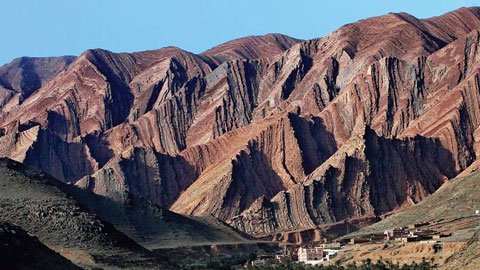
Géoparc et Recherche Scientifique
Le coins de l’étudiant
Blog Géoparc Jbel Bani
Dictionnaire scientifique
Plus de 123.000 mots scientifiques
Les publications
Géo parc Jbel Bani
Circuits & excursions touristiques
cartothéques
Photothéques
Publications & éditions