



Today, 5 Planets Align For the First Time in a Decade (Géoparc Jbel Bani)
For the first time since 2005, you’ll be able to see all five visible planets (Jupiter, Mars, Saturn, Venus, Mercury) at once – if you get up early enough to see the perfect moment in the dawning night sky, that is.
This Australian Geographic interview explains: “Dr. Alan Duffy, a research fellow at Swinburne University in Melbourne, said that this reasonably rare planetary alignment is ‘essentially a quirk’ of the universe. All the planets sit on a flat plane but have different yearly cycles so for all five visible planets to happen to line up is ‘something well worth seeing,’ he said.”
The best time to see the stars align is during the last week of January and the first week of February, 45 minutes before sunrise. If you have an Android device, the Skye app will show you where to look in your hemisphere.
More info: skyandtelescope.com (h/t: australiangeographic)
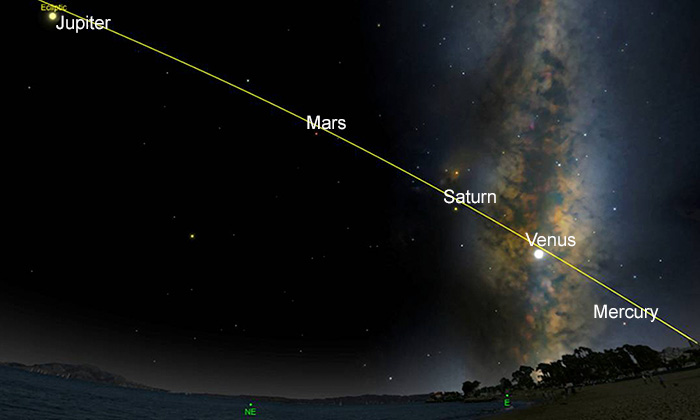 Image credits: Alan Duffy
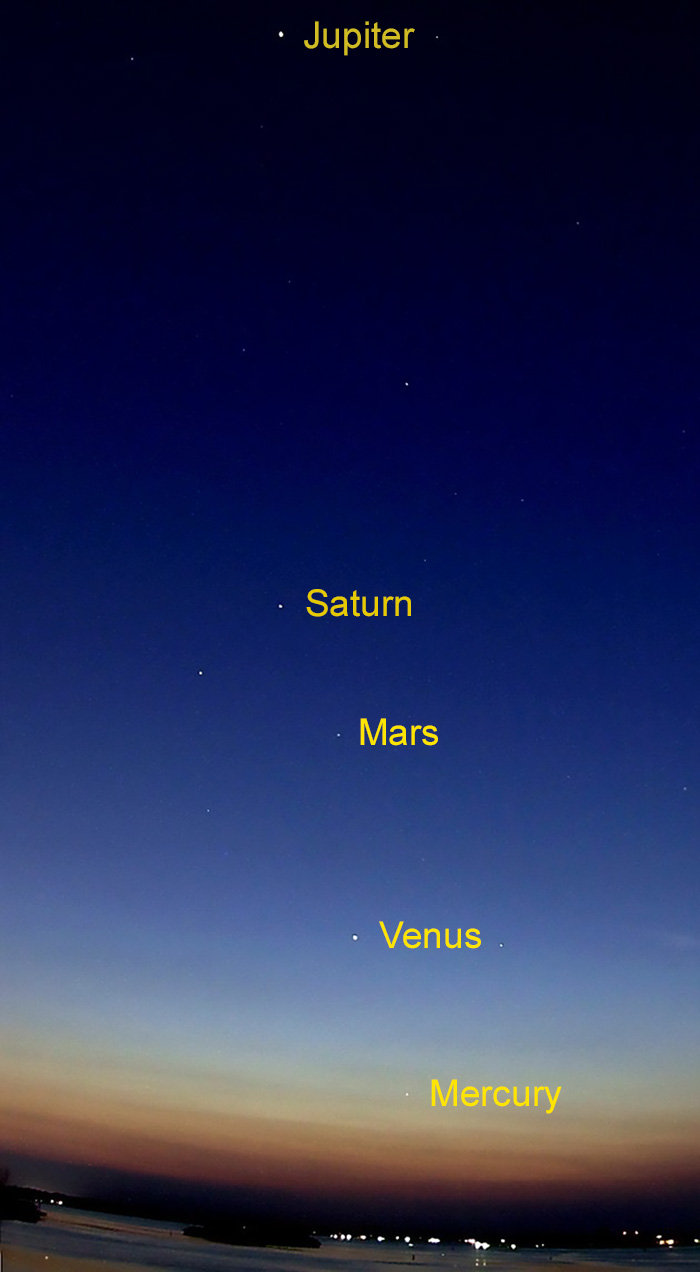
Image credits: Doug Murray
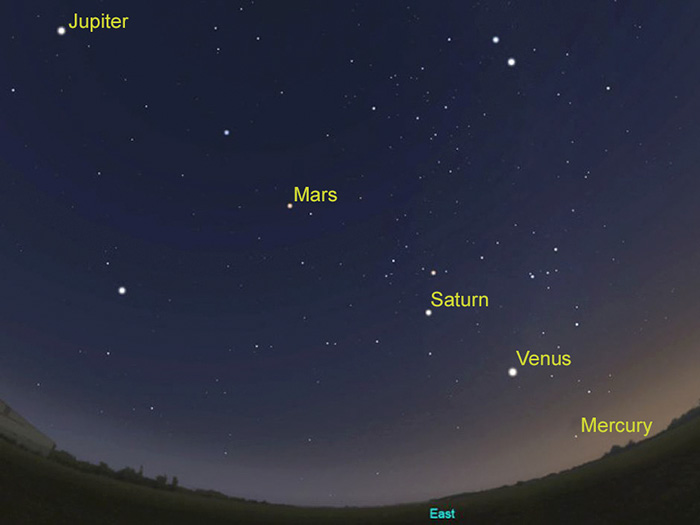
Image credits: ABC News
Tips for the Northern Hemisphere:
1. The best time to see the alignment will be before dawn between January 20th and January 24th. Though you’ll be able to partially see it up to February 20th.
2. Look south. Mercury will be closest to the eastern horizon, while Jupiter will loiter in the west-southwest.
3. Try to find a flat horizon and a dark sky. If possible, head away from the lights of civilization.
4. Hold your arm up in a straight line from the horizon to the moon and the planets should fall along that line.
5. Don’t give up! It may take more than one early morning to see the full alignment.
6. You’ll be able to see the planets with the naked eye, but if you have a telescope, it’ll look even better.
7. You can use an app like Skye to get updates on the best time to stargaze in your area.
Like what you're reading? Subscribe to our top stories.
Follow Bored Panda on Google News!
Source web Par bored panda
Les articles en relation
«Protecting the Past» : L’avenir du patrimoine au cœur d’un brainstorming géant à Agadir (Géoparc Jbel Bani)
«Protecting the Past» : L’avenir du patrimoine au cœur d’un brainstorming géant à Agadir (Géoparc Jbel Bani) Agadir abrite, du 10 au 12 décembre 2019, la conférence int
Savoir plus...
Le chapelet d'oasis de Tighmert, Région présaharienne du Wad Noun (Géoparc Jbel Bani)
Le chapelet d'oasis de Tighmert, Région présaharienne du Wad Noun (Géoparc Jbel Bani) Description Le chapelet d'oasis de Tighmert, riche en éléments archéologiques, constituait le
Savoir plus...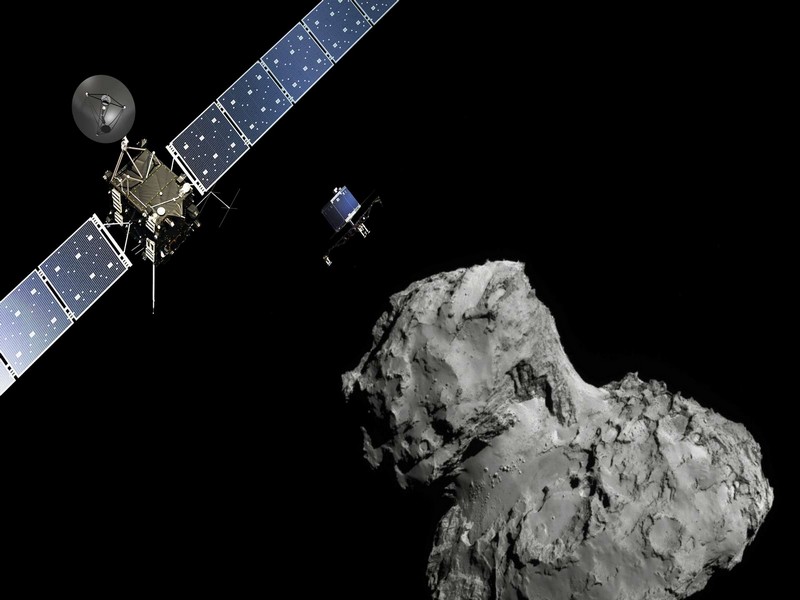
Rosetta
Rosetta La sonde Rosetta de l'ESA, avec son atterrisseur Philae (ou Philaé), avait pour principal objectif l'étude de la comète 67P/Churyumov-Gerasimenko. Déroulement de la mission Rosetta La
Savoir plus...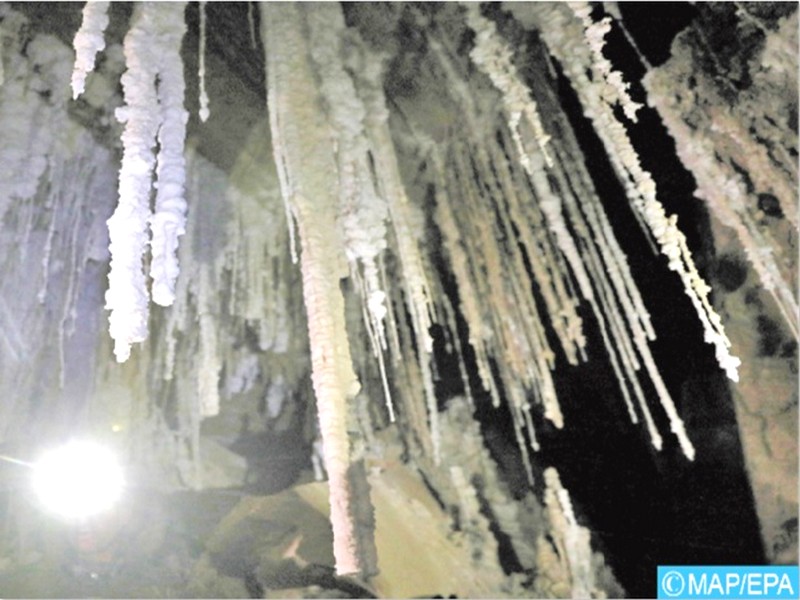
La grotte d'Ifri N’Abbou, un joyau naturel au potentiel touristique réel (Géoparc Jbel Bani)
La grotte d'Ifri N’Abbou, un joyau naturel au potentiel touristique réel (Géoparc Jbel Bani) Avec des paysages naturels de grande beauté, le plateau de Lakhssass, dans la province de Sidi Ifni, dispose
Savoir plus...
Secteurs porteurs (Géoparc Jbel Bani)
Secteurs porteurs (Géoparc Jbel Bani) - Tourisme - Pêches maritimes - Agriculture - Mines Tourisme: Au Maroc, le Tourisme est considéré comme une priorité stratégique et une loc
Savoir plus...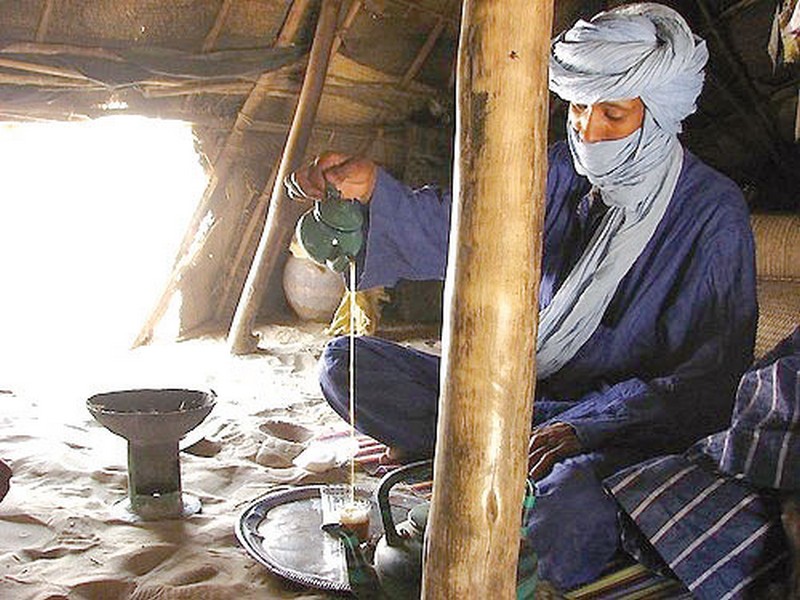
Guelmim : Appel à inscrire l'héritage amazigh et hassani au patrimoine culturel de l'Humanité (Géoparc Jbel Bani)
Guelmim : Appel à inscrire l'héritage amazigh et hassani au patrimoine culturel de l'Humanité (Géoparc Jbel Bani) Les participants au 2ème forum régional de la culture amazighe et has
Savoir plus...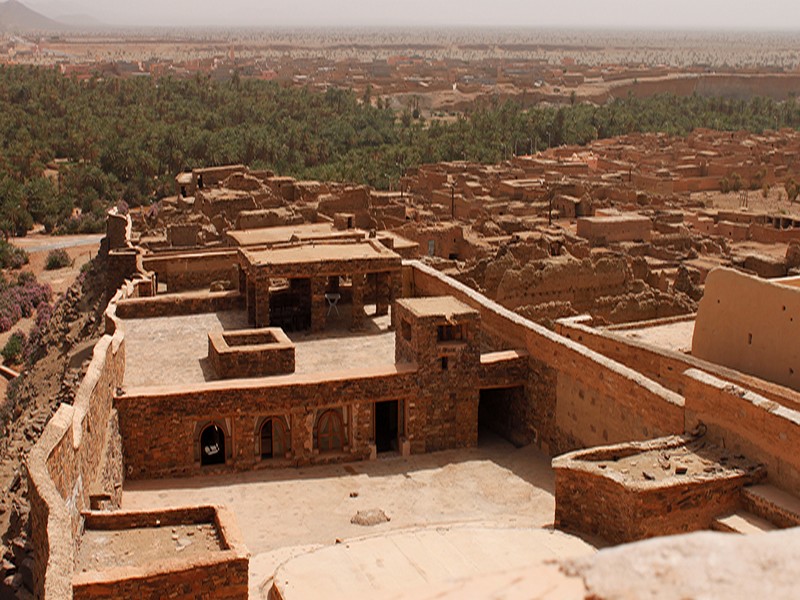
Ksar d'Assa (Géoparc Jbel Bani)
Ksar d'Assa (Géoparc Jbel Bani) A propos de Ksar d'Assa Fondée au XII siècle sur un piton rocheux qui domine une source pérenne exploitée par une oasis importante, Assa, la cité de
Savoir plus...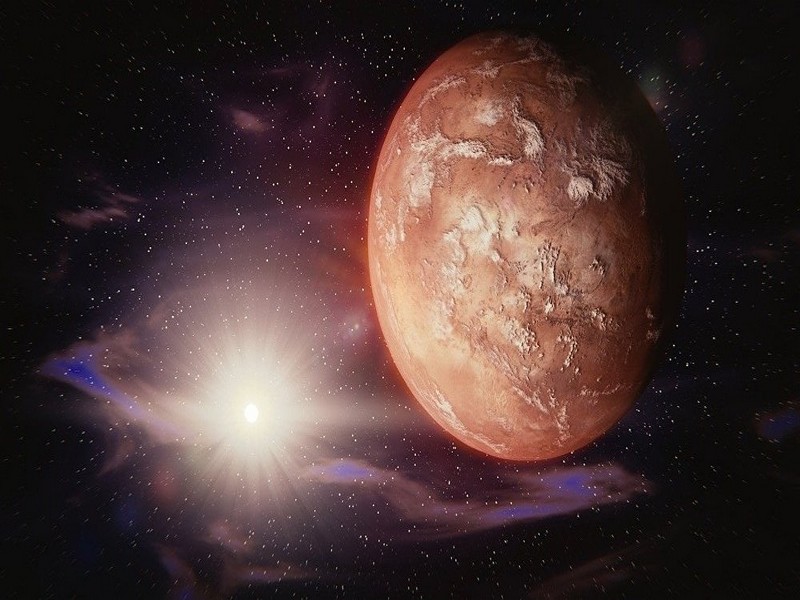
Vie sur Mars? La NASA nous réserve une surprise
Vie sur Mars? La NASA nous réserve une surprise Une conférence de presse prévue par l’agence spatiale américaine pour le 7 juin sera l’occasion de parler des nouvelles découvertes faites
Savoir plus...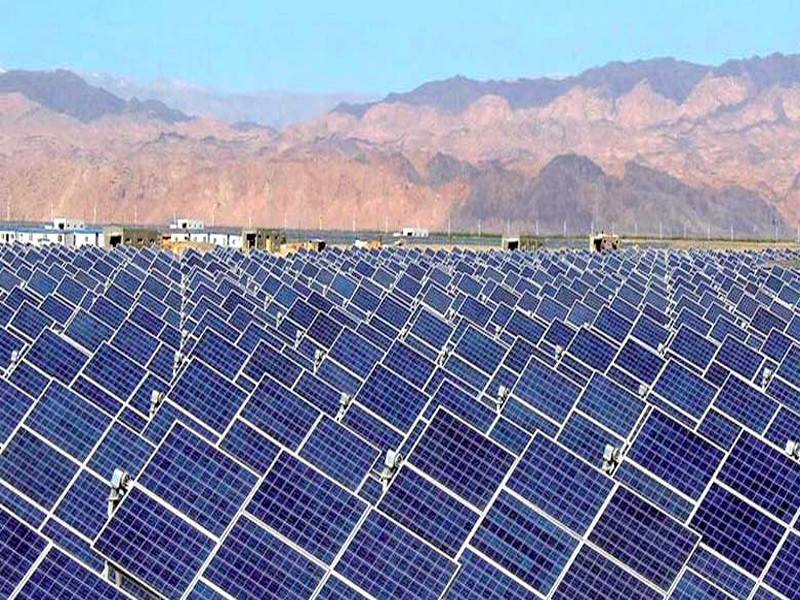
Projet solaire Noor Atlas Tan-Tan dans la commune de Chbika (Géoparc Jbel Bani)
Projet solaire Noor Atlas Tan-Tan dans la commune de Chbika (Géoparc Jbel Bani) La commission régionale de l’investissement pour la région Guelmim-Oued Noun a adopté, à Guelmim, le projet sol
Savoir plus...
Guelmim-Oued Noun, une scène culturelle très animée (Géoparc Jbel Bani)
Guelmim-Oued Noun, une scène culturelle très animée (Géoparc Jbel Bani) L'année 2019 à Guelmim-Oued Noun a été très riche en événements culturels et art
Savoir plus...Les tags en relation
En savoir plus sur " Astronomie et Sciences de la Terre ! "
Consulter les vidéos de " Astronomie et Sciences de la Terre ! " Consulter les photos de " Astronomie et Sciences de la Terre ! " Consulter les publications de " Astronomie et Sciences de la Terre ! " Consulter les éditions de " Astronomie et Sciences de la Terre ! " Consulter les communications de " Astronomie et Sciences de la Terre ! "Recherche du site
Recherche avancée / Spécifique
Géoparc et Recherche Scientifique
Le coins de l’étudiant

Blog Géoparc Jbel Bani
Dictionnaire scientifique
Plus de 123.000 mots scientifiques
Les publications
Géo parc Jbel Bani

Circuits & excursions touristiques
cartothéques
Photothéques
Publications & éditions